Wood fencing
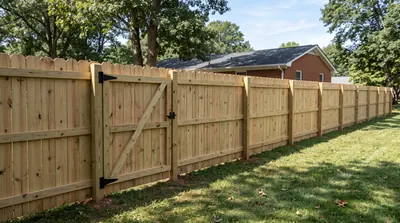
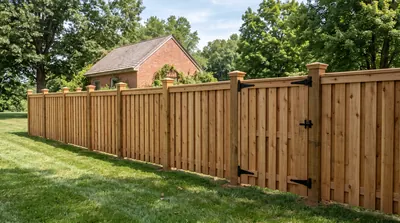
Privacy boards, traditional pickets and designs that follow the character of the yard.
Explore wood fencingA little more privacy. Room for the dog. A gate that opens where you need it. Let's plan around what your property needs.
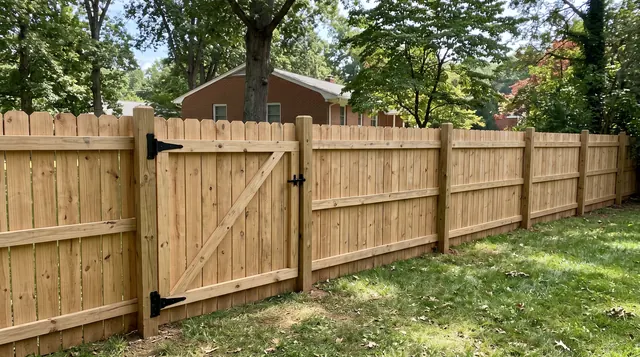
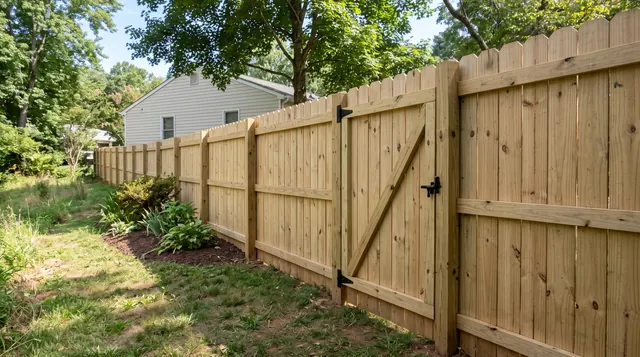
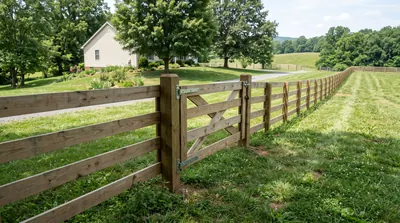
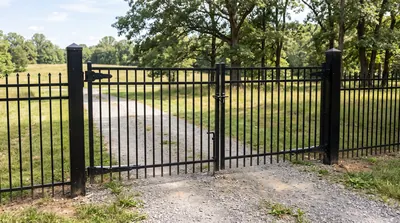
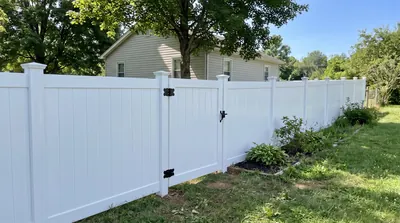
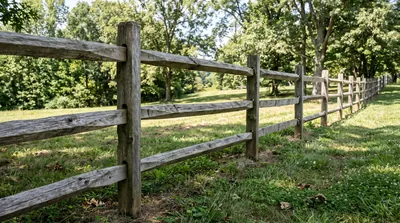
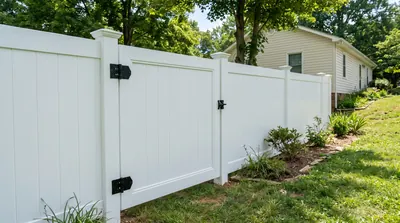
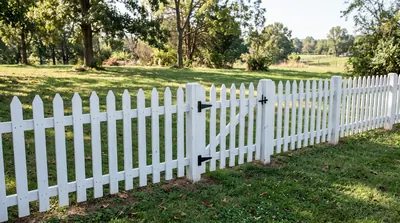
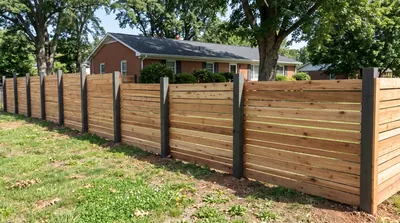
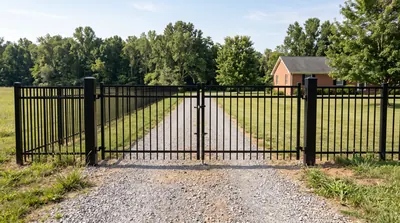
Representative fence and gate imagery.
You may know exactly what you want. Or you may just know that the yard feels too open, the old fence is leaning, or getting the mower through the gate is a pain. Start there. The material comes after the job the fence needs to do.
Screen the patio or backyard without guessing at the layout. Start with where you want privacy and the views you want to keep.
Plan a privacy fenceShow us the escape points, grade changes and everyday gate route. The enclosure needs to be planned around your dog and your yard.
Plan a dog fenceLeaning runs, damaged boards or a fence that no longer suits the property are a reason to review the whole replacement scope.
Plan a replacementA mower that barely fits or a driveway entrance in the wrong spot is a layout problem. Include the gate in the initial plan.
Plan the accessThe right choice depends on how much screening you want, how the yard slopes and what you want to look after over time. Explore the materials, then compare a few layouts for your property.
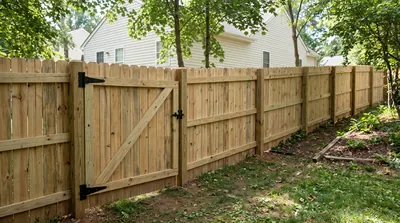
Privacy boards, traditional pickets and designs that follow the character of the yard.
Explore wood fencing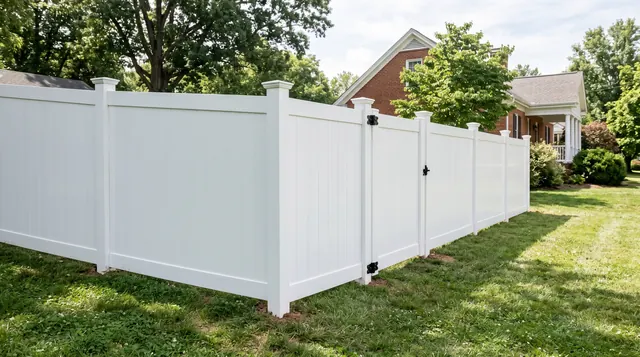
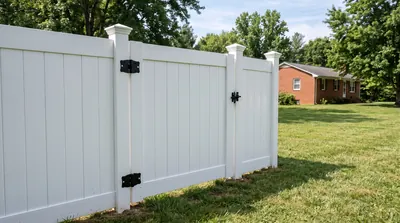
Panel and picket styles, with attention to layout, grade changes and gate support.
Explore vinyl fencing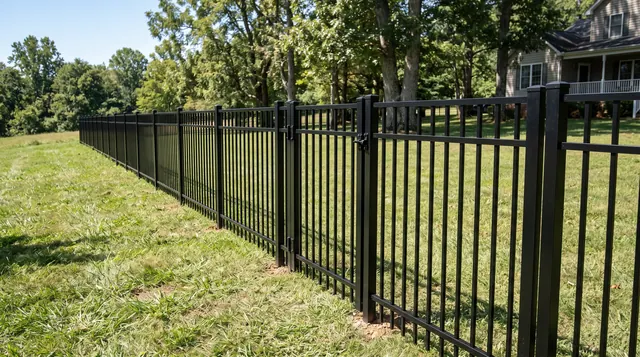
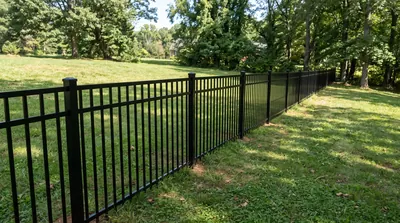
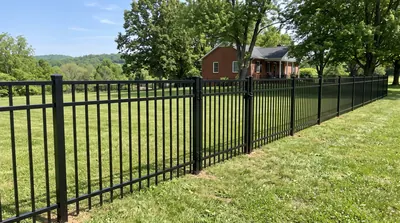
An open look for boundaries where you want to keep the view through the fence.
Explore aluminum fencing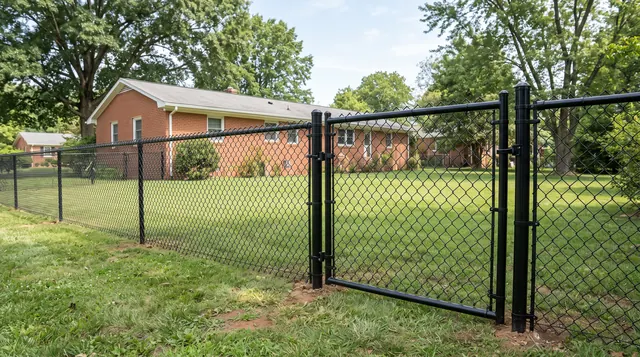
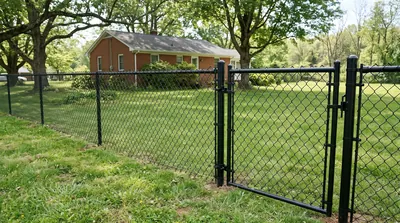
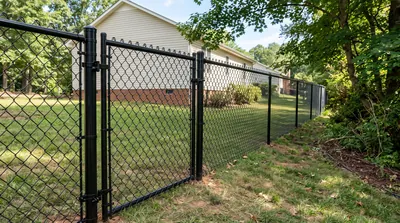
Practical enclosure planning, including mesh, height, finish and gate openings.
Explore chain link fencing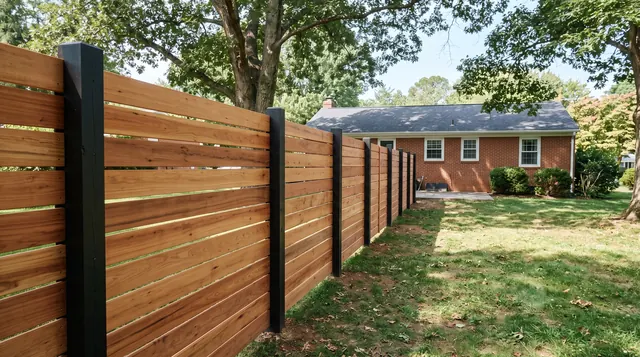
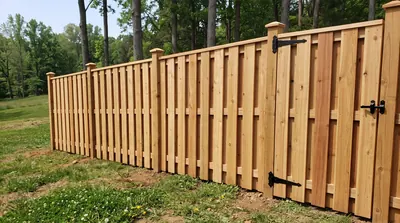
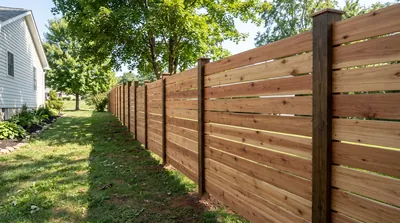
A clean board pattern with spacing and support planned for the finished design.
Explore horizontal fencing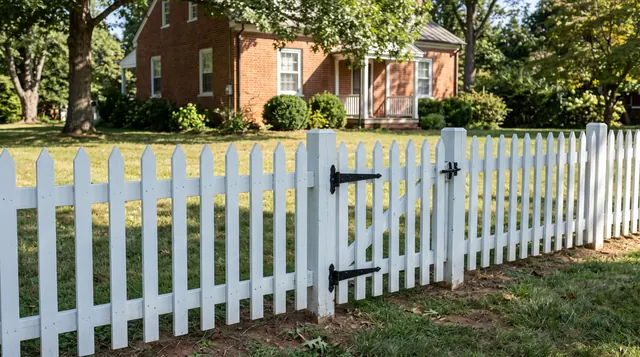
A defined edge for the front yard or garden, with a matching walk gate.
Explore picket fencing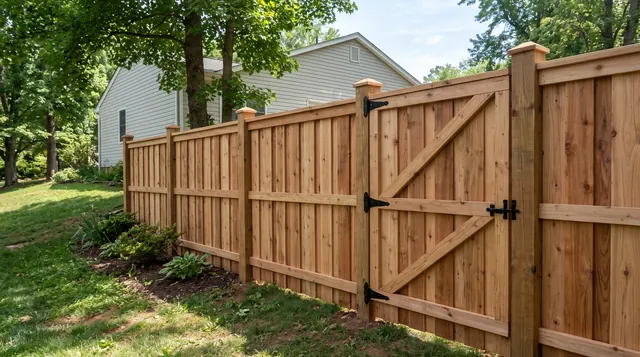
Tall, solid designs that screen the patio and yard, planned around height rules and gate access.
Explore privacy fencing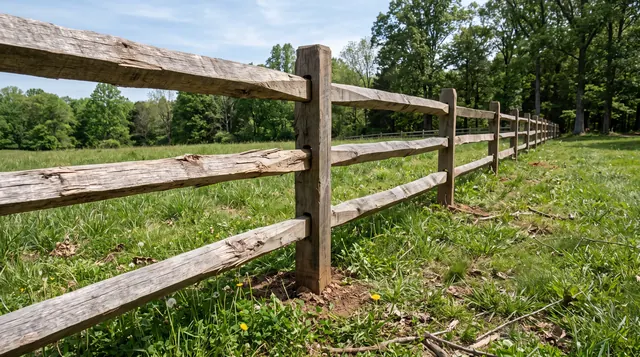
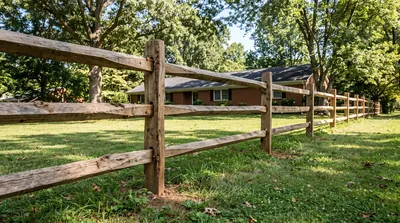
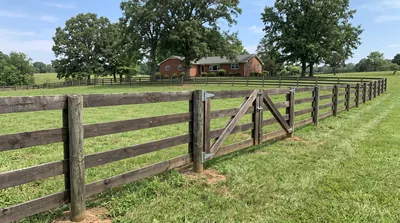
Open rail fencing for property lines, pastures and rural edges that follows the lay of the land.
Explore split rail fencing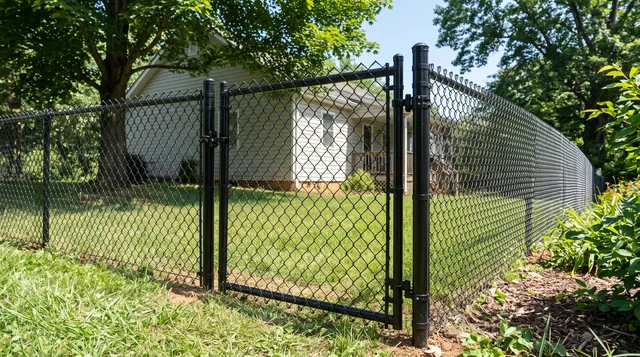
Secure enclosures sized to your dog, with ground gaps, latches and slopes handled.
Explore dog fencing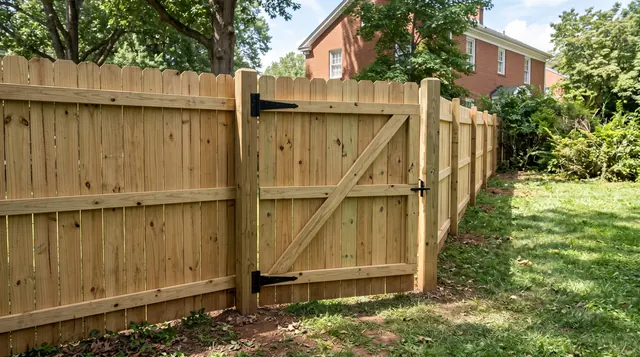
Walk and driveway gates with posts, hinges and latches sized for what passes through.
Explore gates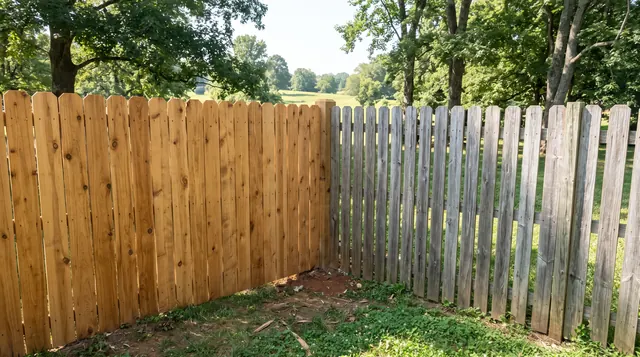
Old fence and footings removed, with the new line confirmed before posts go in.
Explore fence replacement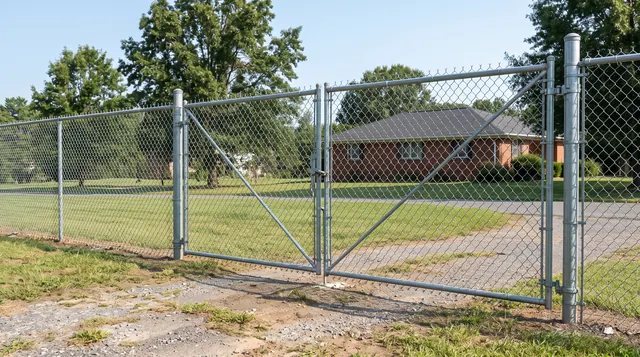
Permanent business perimeters, occupied-site access and service-vehicle gates.
Explore commercial fencing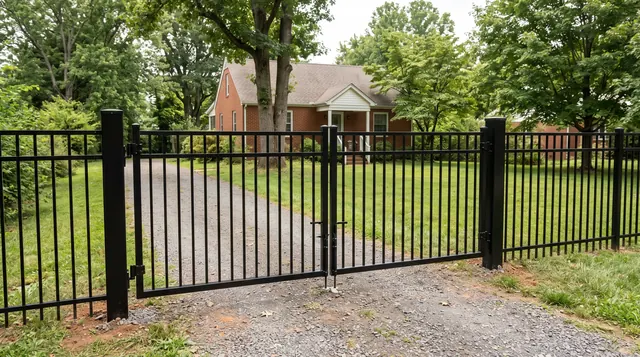
Swing and sliding vehicle gates planned around the approach, slope and opening width.
Explore driveway gates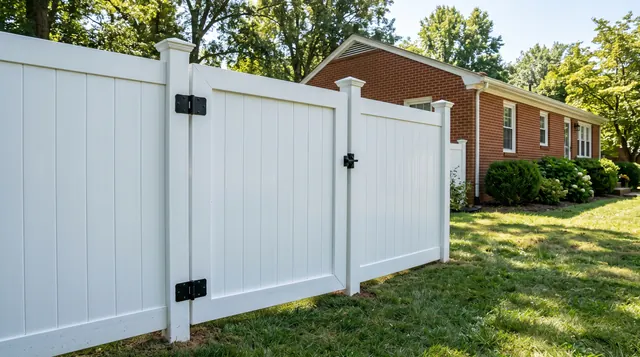
Everyday gates on the path people use, wide enough for mowers and wheelbarrows.
Explore walk gates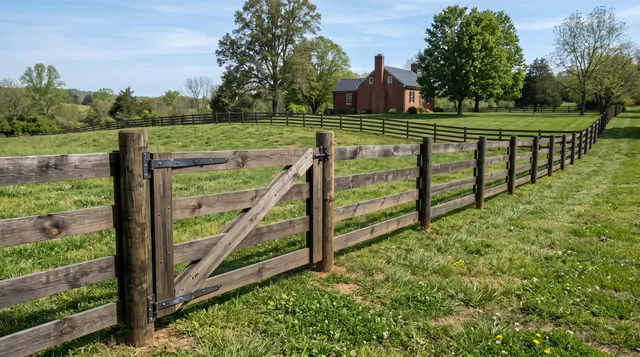
Pasture and paddock fencing with gates planned around horses, equipment and terrain.
Explore horse fencing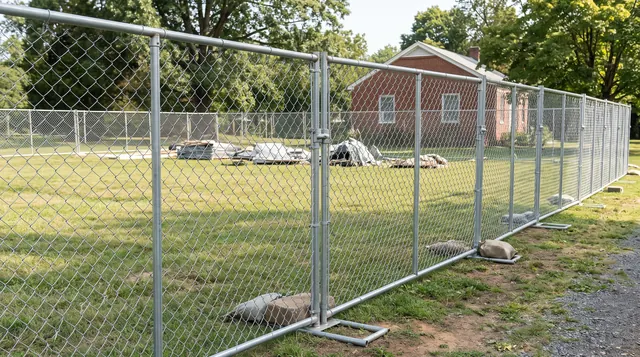
Construction enclosures, portable panels and a plan for setup, moves and removal.
Explore temporary fencingFor a horse property, start with the way you use the land: pasture, paddocks, dividing fences and access for equipment. Then work through the material, layout and gates together.
A decorative rail style and a complete horse-containment system are different decisions. Tell us what the fence needs to do.
Horse fence installationThese are starting points for the conversation. The finished fence depends on the particular product and layout.
| Material | Consider it for | Work through before choosing |
|---|---|---|
| Wood | A board layout, picket style or privacy screen tailored to the property. | Board spacing, finish expectations, maintenance and how the design follows the grade. |
| Vinyl | A consistent panel or picket appearance. | Available profiles, transitions on slopes and the gate hardware specified for the system. |
| Aluminum | An open boundary that keeps sightlines through the yard. | Picket spacing, grade changes and the purpose of the enclosure. |
| Chain link | A practical, open-mesh enclosure. | Height, mesh, coating, bottom gaps and the size of each gate. |
A fence can look right and still be awkward to live with if the gate is in the wrong place. Plan the route from the driveway to the yard, and leave room for the things you actually move through it.
Bring the mower, trailer or equipment dimensions into the conversation. The gate leaves, posts, hardware and ground clearance all belong in the same scope.
Explore gate installationLook at the approach, turning room and the space available for the gate to move. The layout should be worked out before you settle on swing or sliding operation.
Driveway gate planning · Swing vs. slidingPlace the everyday opening where it makes sense from the house, path or side yard. Match the opening and latch to how it will be used.
Walk gate installationConsidering powered operation? Start with the automatic-gate safety guide. Automation needs its own equipment, safety and installation scope.
We work through the fence route, access and gates together, then describe the materials and exclusions in the scope. Published budgeting ranges give you a starting point before that conversation.
Residential fence installation in the Charlottesville area generally runs about $20 to $45 per linear foot. The material, height and layout make the difference. Gates, old-fence removal and difficult digging add to the total.
Use these examples to plan the fence-run budget, then send us the details for a project estimate.
Approximate footage, the material or look you like, photos of the route and the number of openings. For horse fencing and gates, start with the layout rather than applying a generic per-foot rate.
Fence cost guide · Gate cost guideTell us what your fence needs to do.
A few details will help us start with the right questions. Tell us where the project is and what you want to change.
A useful estimate starts with a clear route, a clear purpose and enough detail to compare the same work. We manage the project through fully licensed and insured contractors, with the scope set out before installation.
New backyard fence, replacement, a driveway gate or a horse-property layout. Send the location, a few photos and what you need the finished fence to do.
Review the proposed line, grade, access and gate locations. Resolve boundary questions and identify approval and utility-locate requirements before the layout is treated as final.
Specify the material, height, footage and openings. Spell out removal, disposal and anything that needs separate pricing, so the estimate describes the job you expect.
Agree on the work sequence, access arrangements and finish details. Review the completed fence and how each gate opens, closes and latches.
Planning a fence in Charlottesville or a nearby community? We cover the surrounding 30-mile market. Tell us the project address so we can confirm the location and work through the property details.
Explore all service areasStart with the purpose and proposed route. Privacy, dogs, everyday access and a horse-property perimeter lead to different questions. Then compare materials that suit that layout.
Yes. Include the openings in the initial request so the gate locations, support and hardware are planned with the fence. Tell us what needs to fit through each opening.
Yes. Horse fencing has its own planning scope, including pasture or paddock layout, the fence system and access. We cover it separately from decorative split-rail fencing.
Include photos of the grade changes and the places you want gates. The fence layout needs to account for the slope and the spaces beneath it. See the slope-planning guide.
Do not use an existing fence as your only boundary evidence. If the line is uncertain, resolve it before finalizing the new fence route. Our property-line guide explains the planning questions.
Raise them early. The relevant jurisdiction, property conditions and private covenants need to be identified before the scope is finalized. A neighbor's fence is not a substitute for checking your own property.
Yes. Tell us whether the whole run needs replacing and whether the gate locations will change. Ask for removal and disposal to be included explicitly in the replacement scope.
No. The installation range shown here covers the fence run. Gates need separate pricing for the opening, posts, leaves and hardware. Powered operation would require a separate scope too.
Timing depends on the final scope, material availability, approvals and site conditions. Confirm the sequence after the property and work have been reviewed; we do not promise a universal installation time.
The project location, what you want the fence to do, approximate footage and a few photos are a good start. Note the gates, old fencing and any access or boundary questions you already know about.
Tell us what needs to change and where the project is. We will start with the property, the purpose and the openings.
Get an Estimate Charlottesville
 Crozet
 Hollymead
 Pantops
 Earlysville
 Lake Monticello
 Ivy
 Keswick
 Rivanna
 Ruckersville
 Scottsville
 Palmyra
 Gordonsville
 Stanardsville
 Waynesboro
 Orange
 Louisa
 Afton
 Nellysford
 Lovingston
 Madison
 Fishersville
 Stuarts Draft